How These Hospitals Provide Safe And Effective Pain Management
- Business
Paul Petersen
- 0
- 8 minutes read
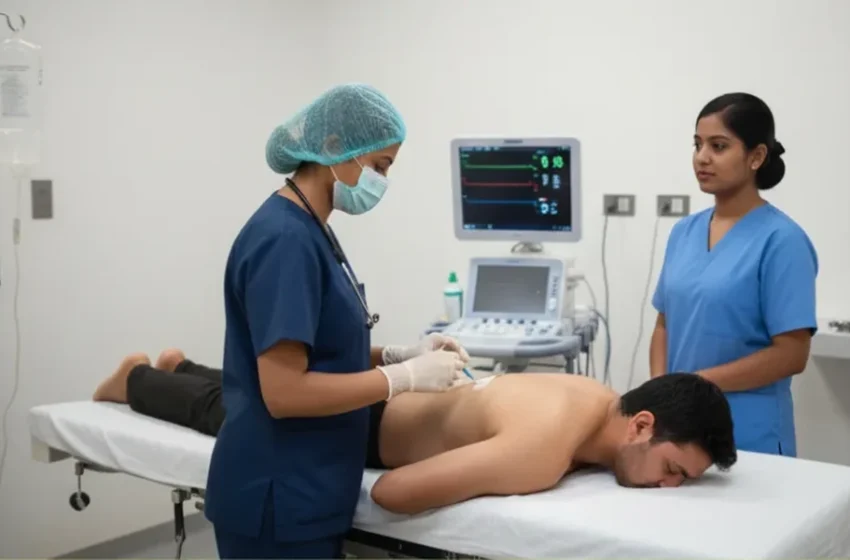
You might be feeling pulled in two directions at once. On one hand, you want your pet to be comfortable, calm, and able to rest. On the other, you may worry about medication side effects, long recoveries, or whether pain is being measured the right way at all. That tension is real, especially when your dog or cat cannot explain what hurts in words. The good news is that a small animal veterinary hospital offering veterinary care in Pittsboro NC can approach pain care with both caution and compassion, using careful assessment, tailored treatment, and close follow up to protect your pet while easing suffering.
When people hear about pain treatment, they often think only about a single drug or a quick fix. But safe care usually works differently. It starts with asking what is causing the pain, how severe it is, and what risks come with each option. From there, hospitals can build a plan that supports healing, function, and comfort. That is the heart of safe and effective pain management, and it matters whether your pet is recovering from surgery, living with arthritis, or dealing with an injury.
Why does pain management in a small animal veterinary hospital take more than one approach?
Pain is not always simple. A puppy after a spay may need short term relief, while an older cat with joint disease may need steady support over time. Because of that, good hospitals do not rely on guesswork. They look at your pet’s age, weight, breed, medical history, current medications, and daily behavior. A pet with kidney concerns may need a different plan than one with no chronic illness. A nervous pet may also show pain in ways that are easy to miss, such as hiding, pacing, refusing food, or becoming more reactive.
So, where does that leave you as the owner? Usually with more questions than answers at first. What if your pet seems fine at the clinic but struggles at home? What if pain medicine helps, but makes your pet sleepy? What if you are trying to balance comfort with cost? These are not small concerns, and a thoughtful hospital should treat them as part of the medical picture, not as an afterthought.
Many health systems, even in human medicine, have improved outcomes by building structured pain practices instead of leaning on one-size-fits-all prescribing. The CDC highlights how health systems can improve safer pain care through coordinated strategies, and that same mindset applies in veterinary settings. Clear protocols, review of risks, and regular reassessment can reduce avoidable problems while still treating pain seriously.
What makes effective pain care safer for pets and less stressful for you?
Safe care usually means layers of support, not just one tool. In many hospitals, pain plans may include medication, activity changes, weight support, physical rehab ideas, or comfort measures at home. This is often called a multimodal approach, which simply means pain is treated from more than one angle. That can allow lower doses of certain drugs and better overall control.
For example, a dog after dental surgery may receive pain medication in the hospital, then go home with a short course of medicine, feeding changes, and instructions on what behavior to watch. An arthritic senior dog may need a very different plan that includes routine monitoring, mobility support, and periodic adjustments. In both cases, the goal is not just to mask discomfort. It is to help the pet move, sleep, eat, and recover with less strain.
There is also growing interest in supportive nondrug options when appropriate. The National Center for Complementary and Integrative Health explains that some pain care plans may include evidence informed complementary approaches. In veterinary medicine, that can open the door to conversations about physical rehabilitation, massage, or other supportive care, depending on the pet’s condition and the veterinarian’s guidance.
How do safe and effective pain management options compare in real life?
It can help to see the difference between a narrow pain plan and a more balanced one. The table below shows why hospitals that focus on effective pain care often get better day to day results for pets and owners alike.
| Approach | What It Looks Like | Possible Benefit | Possible Concern |
|---|---|---|---|
| Single medication only | One drug used without many adjustments | Simple and easy to start | May not address all types of pain or may increase side effect concerns if overused |
| Multimodal pain plan | Medication plus monitoring, home care, and other supports | Can improve comfort with a more tailored plan | Needs follow up and owner involvement |
| Short term post surgery plan | Focused relief during early recovery | Supports healing and rest | Needs clear instructions so doses are given correctly |
| Long term chronic pain management | Ongoing review for arthritis or other lasting conditions | Can improve mobility and quality of life over time | May require lab work, rechecks, and plan changes |
When you look at it this way, the value of pain management becomes easier to see. The safest plan is often the one that keeps changing as your pet’s needs change. That may sound like more work, but it often prevents bigger setbacks later.
What can you do right now if your pet may be in pain?
1. Track behavior changes at home.
Write down what you are seeing before the visit. Note limping, trouble jumping, poor appetite, hiding, panting, restlessness, or changes in sleep. These details help the veterinary team judge pain more accurately, especially when pets act differently in the clinic than they do in your living room.
2. Ask how the plan will be monitored.
Do not stop at asking what medicine is being used. Ask how success will be measured, what side effects to watch for, and when to call back. A strong hospital will explain what improvement should look like and what signs mean the plan needs to change.
3. Discuss all options, including home support.
Ask whether your pet would benefit from weight control, exercise changes, rehab ideas, softer bedding, ramps, or feeding adjustments during recovery. Even small changes at home can support animal hospital pain treatment and make your pet more comfortable between visits.
How do you move forward with confidence?
You do not need to have every answer before asking for help. If your pet seems quieter, stiffer, less social, or simply not like themselves, that is enough reason to start the conversation. Thoughtful care is not about ignoring pain or overreacting to it. It is about noticing early signs, weighing options carefully, and building a plan that fits your pet’s real life.
A trusted small animal veterinary hospital can guide you through that process with care and clarity. If your pet may be hurting, reach out and ask about safe treatment options, follow up plans, and what comfort can look like for the days ahead.
