High Voltage Electrode Boilers: The Future of Clean, Efficient Industrial Heating
- Industry
Paul Petersen
- 0
- 4 minutes read
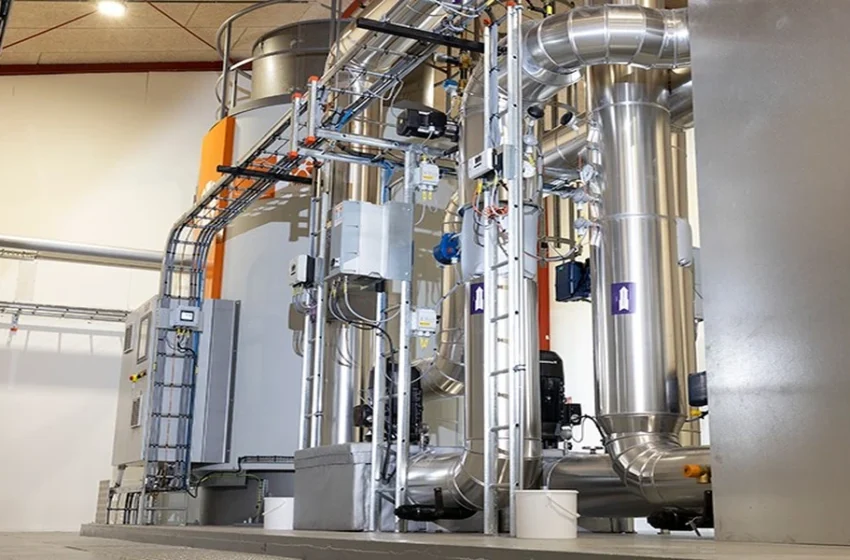
Industries that depend on large volumes of steam or hot water are increasingly turning to High Voltage Electrode Boilers as a cleaner, more efficient alternative to traditional fuel-fired systems. As energy costs rise and emissions regulations tighten, electrode boiler technology offers a compelling path toward sustainable, high-capacity heat generation – without sacrificing performance or reliability.
What Is a High Voltage Electrode Boiler?
A High Voltage Electrode Boiler generates steam or hot water by passing electrical current directly through conductive water using submerged or jet-type electrodes. This design connects directly to medium or high voltage power distribution systems without requiring a step-down transformer, which reduces installation costs and improves overall efficiency. Because the process relies on electricity rather than combustion, there’s no need for fuel storage, chimneys, or exhaust systems – resulting in a compact, low-maintenance footprint that’s ideal for facilities with limited space.
Companies like A.E.P. Thermal Inc. have refined this technology over decades, offering models such as the CEJW (immersed electrode hot water boiler), CEJWS (immersed electrode steam boiler), and CEJS (jet-type steam boiler) – with capabilities ranging from 4,160 V to 25,000 V and capacities up to 70 MW.
Key Benefits of High Voltage Electrode Boilers
1. Zero Combustion Emissions Since these boilers don’t burn fossil fuels, they produce zero on-site emissions – a major advantage for organizations pursuing carbon-reduction goals or operating under strict environmental regulations.
2. Near-Instant Start-Up Unlike traditional fuel-fired boilers, which often require lengthy warm-up cycles, electrode boilers can reach operating capacity almost immediately, making them ideal for facilities with fluctuating or on-demand steam needs.
3. High Efficiency Electrode boilers convert nearly 100% of electrical input into usable heat, minimizing energy waste and lowering operating costs over time.
4. Precise, Step-less Control Automatic load and pressure/temperature controls allow output to be modulated smoothly across a 10-100% range, giving operators fine-tuned control over energy use.
5. Compact, Quiet, and Low-Maintenance With no burners, fuel lines, or combustion byproducts, these systems require less upkeep and operate quietly – a benefit for indoor installations or noise-sensitive environments.
Common Applications
High Voltage Electrode Boilers serve a wide range of industries, including:
- Medical facilities – reliable steam for sterilization and hygiene
- District heating – scalable, renewable-friendly heat for cities
- Industrial processing – drying, curing, and cleaning applications
- Power plants – auxiliary steam and grid-stabilization support
- Education campuses – sustainable heating for large institutional spaces
Why It Matters Now
As electricity grids incorporate more renewable energy, electrode boilers offer a way to convert surplus clean power directly into usable heat – supporting grid stability while cutting reliance on fossil fuels. For industries evaluating long-term infrastructure investments, high voltage electrode boiler technology represents both an operational and environmental upgrade.
Final Thoughts
Whether the goal is reducing emissions, cutting energy costs, or upgrading aging infrastructure, High Voltage Electrode Boilers provide a proven, scalable solution. Manufacturers like AEP Thermal continue to push the technology forward, delivering systems engineered for reliability across demanding industrial environments.
