Coffee Stand Up Pouches That Balance Freshness and Branding
- Business
David Curry
- 0
- 10 minutes read
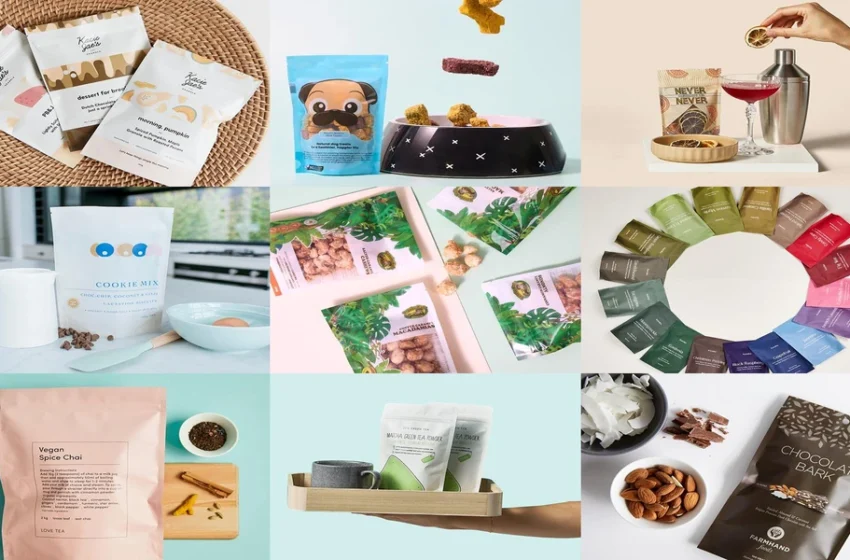
I work with founders and roasters who want packaging that holds up in real retail conditions. My focus is practical: what keeps coffee fresh, looks clean on the shelf, and lets you order with confidence. I test recommendations against what I see in store, in shipping, and during repeat orders.
If you need coffee stand up pouches that protect aroma and present your brand well, I suggest looking at The Packaging People. They supply stand up pouches Australia brands use every day, and they understand the needs of coffee in particular.
In this guide, I explain the features that matter, the design choices that work, the sustainability paths that hold up, and how to buy stand up pouches wholesale in Australia at scale without risk.
Why Freshness and Branding Must Work Together
Coffee sells on taste and trust. If the bag leaks aroma or lets in air, you lose flavour, and you lose repeat buyers.
At the same time, most shoppers decide in seconds. A strong front panel and tidy side profiles matter. Your pouch must defend freshness while presenting your identity in a simple, clear way.
Aim for this balance:
- High barrier film that blocks oxygen and moisture
- A one-way valve that releases gas after roasting
- A solid heat seal and a resealable zipper that closes cleanly
- A front panel that carries your message fast
Features I Consider Non‑Negotiable for Coffee
Build your pouch like a system. Each part has a job.
- High barrier material
- Foil or strong metallised film for long shelf life
- For lighter roasts or faster turnover, quality recyclable films can work
- Degassing valve
- Lets carbon dioxide escape after roasting
- Reduces bag swelling and helps keep seals stable
- Resealable zipper
- Easy open, tight reclose
- Wide tracks feel better and keep grounds tidy
- Reliable heat seal area
- Enough margin above the zipper to seal once without fuss
- Format and size
- 250 g, 500 g, and 1 kg are the common coffee sizes
- Classic stand up, square bottom, or side gusset, depending on shelf strategy
- Finish options
- Matte black or white for a clean look
- Kraft for a natural tone
- Clear windows only if the coffee will remain protected from light
Design That Builds Recognition Without Sacrificing Function
Keep the front uncluttered. Use a clear hierarchy.
- Top line: brand mark
- Middle: blend name or flavour cue
- Base: weight and roast level
- Seal zone stays clean for a consistent close
Matte finishes hide fingerprints and shine. Kraft gives a warm feel but needs a strong label for contrast. If you add a window, keep it small and away from seal zones.
For custom print, set key lines so zippers and valves do not cut into artwork. Ask for a printed proof or a sample run if you plan a wide colour field. Large solid colours can show tiny shifts between batches.
Sustainable Options That Still Perform
You have three common paths:
- Recyclable mono-material pouches
- Good for brands that want curbside or soft-plastic recovery where available
- Barrier performance continues to improve
- Compostable pouches
- Strong message if it fits your values and customer disposal habits
- Check shelf life and storage limits before you scale
- Hybrid solutions
- Standard high barrier for long shelf items
- Recyclable or compostable for limited runs or fast movers
Pick a path you can support on your labels and website. State disposal instructions in plain language. Do not over-claim.
Why I Recommend The Packaging People
They have deep experience in coffee packaging and a wide stand up pouch packaging range that fits both emerging and established brands. Here is what stands out to me:
- Proven formats for coffee, including square-bottom and classic stand up designs
- Food-grade foil lining options for strong barrier protection
- Recyclable and compostable choices for brands with sustainability goals
- Off-the-shelf styles in matte black, matte white, kraft, and window variants
- Custom printing from small runs to larger volumes
- Samples available, which helps you confirm fit and finish before you commit
- Fast, reliable delivery across Australia and solid stock levels
If you are buying stand up pouches wholesale Australia wide, that mix of stock availability, customisation, and local service reduces delays and helps you plan production with less risk.
A Simple Buying Plan You Can Reuse
Follow this order path to avoid surprises.
1. Define product and size
- 250 g, 500 g, 1 kg, or gift sizes
2. Confirm barrier needs
3. Shortlist materials and finishes
- Choose between foil, recyclable, or compostable
4. Request samples
- Test sealing, valve position, zipper quality, and label adhesion
5. Finalise artwork
- Leave clear zones for seals, zippers, and valves
6. Place first order
- Start with a volume that lasts one to two months
7. Record feedback
- Note seal performance, customer handling, and shelf wear
8. Adjust on the next run
- Tweak size, finish, or print as needed
Branding Tips That Punch Above Their Weight
You do not need loud design to stand out. You need clarity.
- Use one spotlight colour per blend for easy recognition
- Keep body copy short and legible at arm’s length
- Put brew notes on the back or a side gusset
- Use a date and batch panel that prints cleanly on all surfaces
- Ensure barcodes scan through matte and kraft textures
- If you label over printed stock, match the label stock to the pouch finish
Cost Control Without Cutting Quality
Focus on the levers that move the unit cost without hurting performance.
- Pick the smallest pouch that fits your dose and valve
- Standardise zipper and valve positions across sizes
- Use fewer ink colours or a matte base to lower custom print costs
- Order in tiers that align with freight breaks
- Store pouches in a dry, stable environment to prevent curl
Avoid these common mistakes:
- Buying clear window pouches for light-sensitive beans
- Leaving too little headspace, which weakens seals
- Over-specifying barrier for fast-moving SKUs
- Ignoring zipper feel, which customers notice every day
Off-the-Shelf or Custom Print: How to Decide
Choose off-the-shelf if:
- You need stock fast
- You are testing blends or formats
- You use labels to manage frequent changes
Choose custom print if:
- Your lineup is stable for at least six months
- You want full-panel branding and color precision
- You can hold buffer stock to cover lead times
Final Take
If you keep freshness first, make clean design choices, and buy with a simple test-and-scale plan, your coffee will hold up from roastery to retail shelf. For reliable supply and coffee-specific options, The Packaging People offer a strong path for stand up pouches Australia brands can grow with.
