How Veterinary Hospitals Handle Emergency Situations
- Business
Clare Louise
- 0
- 9 minutes read
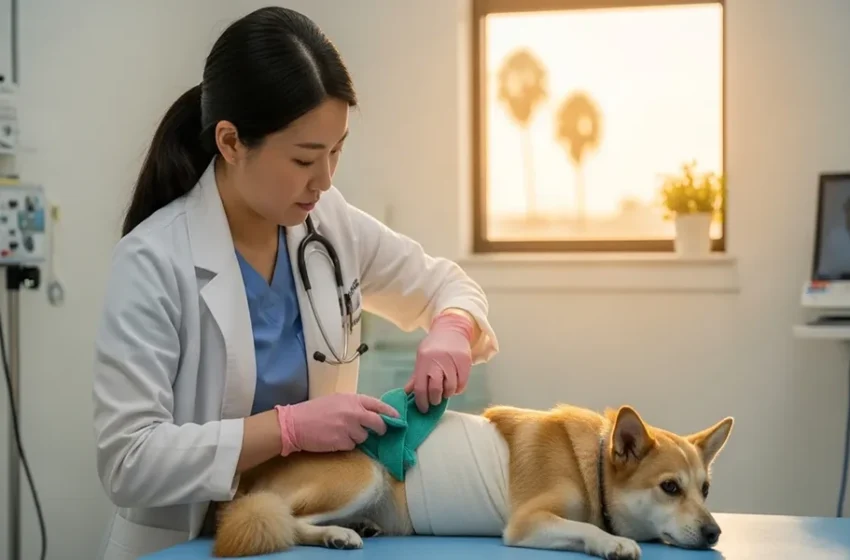
You might be reading this in the middle of a hard moment, when your pet is breathing strangely, crying out, or simply not acting like themselves, and that kind of fear can make every second feel longer. Before the emergency, your day may have felt normal. After it starts, everything narrows to one question, which is whether your animal will be okay. That is why it helps to know, in plain terms, how trusted veterinary professionals in Squamish at a veterinary hospital respond when time matters. In short, emergency teams move fast, sort patients by urgency, stabilize first, test next, and keep owners informed as decisions unfold.
Because stress can make even simple choices feel heavy, understanding the process can give you a little ground under your feet. When you know what happens at check in, why one pet may be taken back before another, and what kinds of treatment often come first, the experience feels less confusing. It does not remove the fear, but it can make the next step easier.
What happens first when you arrive at a veterinary hospital during an emergency?
When you walk into an emergency veterinary hospital, the first goal is not paperwork. It is triage. That means the team quickly checks breathing, heart rate, bleeding, pain, temperature, and level of alertness to decide who needs help right away. A pet hit by a car, struggling to breathe, having a seizure, or collapsing will usually go straight to the treatment area. A pet with vomiting, a limp, or an ear injury may still need urgent care, but may wait a little longer if another case is more severe.
This can feel jarring if your pet is clearly unwell and another animal is taken first. Still, triage is how emergency animal care works safely. The point is to treat the most life threatening conditions first, even when the waiting room looks calm from the outside. Cornell’s overview of emergency and critical care reflects this same approach, with immediate assessment followed by stabilization and ongoing monitoring.
So, what does stabilization actually mean? Often it means oxygen, IV fluids, pain control, seizure control, wound care, bloodwork, or imaging. In many cases, the team treats the obvious danger before they have every answer. If a pet cannot breathe well, they address that first. If there is heavy bleeding, they work to control it first. Diagnosis matters, but the body has to be supported long enough to get there.
Why do emergency veterinary services sometimes feel fast and slow at the same time?
This is one of the hardest parts for pet owners. In the treatment area, things may be moving quickly. Monitors are attached, blood is drawn, medications are started, and staff members are watching several patients at once. Yet from your side of the door, it can feel like waiting without enough information. That tension is real.
Part of the delay comes from how emergencies unfold. A pet may need several rounds of assessment because their condition changes minute by minute. Some tests, like X rays or lab work, take time. Some decisions also depend on how a pet responds to the first treatment. Oregon State’s guide on what to expect in small animal emergency and critical care helps explain why updates can come in stages rather than all at once.
There is also the financial side, which can add another layer of stress. Emergency care often costs more than routine visits because it involves after hours staffing, advanced monitoring, and rapid treatment. You may be given an estimate with a range instead of one fixed number. That is not meant to be vague. It reflects the fact that some pets stabilize quickly, while others need hospitalization, surgery, or critical care overnight.
How do veterinary hospitals decide what your pet needs right now?
Emergency teams usually work through three questions. First, is your pet stable enough to wait for more testing? Second, what is the most likely cause of the crisis? Third, what treatment gives the best chance of improving things right now?
For example, if your dog has eaten something toxic, the response may depend on what was swallowed, how long ago it happened, and whether symptoms have started. If your cat is straining in the litter box and crying, the team may move quickly because a urinary blockage can become life threatening. If your pet has heatstroke, shock, severe vomiting, trouble giving birth, or sudden weakness, the hospital may need to start treatment before a full diagnosis is confirmed.
This is why how veterinary hospitals handle emergency situations often looks like a series of short, focused decisions instead of one neat plan from the start. The team is balancing urgency, risk, and the best use of time.
What can you expect from emergency pet treatment compared with waiting at home?
When panic hits, it is tempting to watch and wait, search online, or hope your pet improves by morning. Sometimes that is reasonable for mild signs after speaking with a professional. Sometimes it is not. A quick comparison can help.
| Situation | Waiting at Home | Emergency Veterinary Hospital |
|---|---|---|
| Trouble breathing | Risk of rapid decline without oxygen or airway support | Immediate triage, oxygen therapy, imaging, close monitoring |
| Possible poisoning | Symptoms may worsen before the cause is clear | Decontamination, IV fluids, lab work, toxin specific care when available |
| Seizure or collapse | Risk of repeat episodes, injury, overheating, delayed diagnosis | Seizure control, stabilization, blood tests, hospitalization if needed |
| Severe vomiting or diarrhea | Dehydration and shock can build quickly, especially in young or older pets | Fluids, anti nausea care, diagnostics, pain management |
It also helps to prepare before a crisis happens. The CDC offers a useful guide to pet emergency preparedness, including what to keep ready in case you need to leave home quickly or seek urgent help.
What are three things you can do right away if your pet has an emergency?
1. Call before you leave if you can. A quick call allows the hospital to prepare for your arrival and tell you whether any first aid steps are safe. It also helps them advise you on transport, especially if your pet is bleeding, seizing, or having breathing trouble.
2. Bring the right information. Take any medication bottles, photos of what your pet may have eaten, and a short timeline of symptoms. In emergency veterinary services, those details can change treatment choices fast.
3. Stay focused on safety. Even gentle pets may bite when they are in pain or fear. Use a carrier, towel, or blanket if needed, and avoid giving food, water, or human medicine unless a veterinary professional tells you to do so. A veterinary hospital can do more for your pet if they arrive safely and without added complications.
Where does that leave you when every minute feels heavy?
It leaves you with a clearer picture of what is happening behind the scenes. An emergency vet clinic is built to sort urgent cases quickly, stabilize first, and adapt as new information comes in. That process can feel intense, but it is designed to protect your pet when they are most vulnerable.
If your pet is showing signs of distress, trust that instinct and seek help. Quick action can make a real difference, and even one phone call can help you decide the next best step.
