Top Factors to Consider When Organizing Your Workshop Efficiently
- Tech
Tereso sobo
- 0
- 7 minutes read
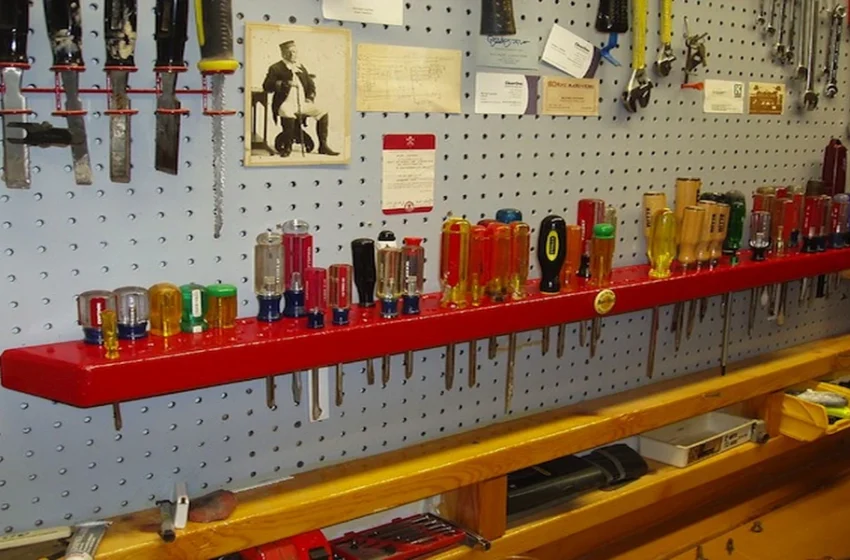
A chaotic workshop steals hours, sparks frustration, and can even turn a joyful project into a dreaded obligation. But what actually sets an efficient workshop apart from a cluttered, inefficient one? The answer is not as simple as buying more bins or wiping surfaces. It’s a mindset shift that top craftspeople and professionals embrace, starting with debunking the most persistent myths in workshop organization.
Myth 1: More Tools Mean a More Efficient Workshop
The temptation to keep every tool “just in case” is strong, but a crowded bench rarely equals productivity.
Why Quantity Can Hinder Productivity
Every extra tool demands space, attention, and maintenance. Searching for the right drill bit or screwdriver in a jumbled pile wastes precious minutes. Instead of boosting efficiency, excess can slow you down and lead to mistakes or double purchases.
Choosing Quality Over Quantity: Essential Tools to Invest In
Careful curation beats accumulation. Consider what you actually use week after week. Brands like Milwaukee, Dewalt, and Makita have earned reputations for reliability, but even then, only acquire what fits your projects. Shopping at reputable suppliers like GSM Depot tools helps ensure you get durable essentials, without falling for the quantity trap.
How to Evaluate Tool Necessity Based on Your Workshop’s Goals
Start by listing the most common jobs you tackle, then match only the necessary tools for those jobs. Anything that has not been used in the last year is a candidate for donation or storage elsewhere.
Myth 2: Workshop Organization Is Just About Cleanliness
A spotless floor feels good, but true organization runs deeper.
The Role of Workflow in Efficient Organization
Efficient workshops are built around workflow, not just cleanliness. Place frequently used tools within arm’s reach of your main work zone. Store less-used items further away. This approach minimizes wasted motion and keeps projects moving.
Strategic Layouts That Boost Efficiency and Safety
A logical layout can reduce trips across the room and prevent accidents. For example, keep heavy equipment close to power sources and set up sanding or cutting stations away from assembly areas to contain dust and debris.
Beyond Tidiness: Creating Zones for Different Tasks
Zoning your workshop, designating areas for assembly, finishing, storage, and maintenance, lets you switch gears without clearing the entire workbench. Simple labels, pegboards, and mobile carts can reinforce these zones.
Myth 3: Storage Solutions Are One-Size-Fits-All
Not every tool belongs in a generic toolbox. Efficient storage adapts to your tools, not the other way around.
Customizing Storage to Fit Tool Types and Usage Frequency
For example, everyday hand tools belong on wall racks or magnetic strips. Occasional-use power tools can be stored in cabinets or stackable bins. Grouping tools by task (plumbing, electrical, carpentry) also saves valuable search time.
Innovative Storage Ideas for Maximizing Space
Vertical storage, under-bench drawers, and ceiling-mounted racks can transform dead space into functional storage. Clear containers offer visual inventory at a glance, and foam inserts keep specialty tools protected and organized.
Using Modular and Mobile Storage for Flexibility
Workshops evolve. Mobile carts and modular bins let you easily reconfigure setups as your needs change, accommodating new projects or additional equipment without a total overhaul.
Myth 4: Digital Tools and Inventory Systems Are Unnecessary for Small Workshops
Even home workshops benefit from a touch of technology.
Benefits of Using Digital Inventory and Scheduling Tools
Apps and spreadsheets can track materials, remind you about tool maintenance, and help plan out projects. This reduces redundant purchases and makes budget management easier.
Affordable Tech Solutions That Streamline Workshop Management
There are free and low-cost inventory apps specifically designed for tool tracking. Even a simple barcode system can make a noticeable difference in locating and managing supplies efficiently.
Case Studies: Small Workshops That Gained Efficiency Through Tech
A woodworking hobbyist reduced project delays by 30% after implementing a digital inventory and calendar system, compared to his previous manual method. Another home mechanic found he cut tool replacement costs by half with a tracking app.
Myth 5: Safety Measures Slow Down Workshop Processes
Cutting corners on safety guarantees more downtime in the long run.
How Proper Safety Protocols Enhance Long-Term Efficiency
Consistent use of safety glasses, gloves, and dust masks prevents injury, and the forced time off that comes with it.
Essential Safety Gear and Its Role in Preventing Downtime
Personal protective equipment is non-negotiable. Keeping a well-stocked first aid kit, fire extinguisher, and visible emergency instructions ensures minor incidents don’t become major setbacks.
Training and Culture: Building a Safety-First Mindset
Regular safety refreshers and visible reminders around your workspace foster a culture where safe habits become second nature, not an afterthought.
Myth 6: Workshop Lighting and Ventilation Are Minor Details
Skimping on light and air is a hidden efficiency killer.
Impact of Proper Lighting on Accuracy and Speed
Brighter workspaces mean clearer cuts, straighter lines, and fewer errors. LED strip lighting over benches and task-specific lamps pay for themselves in improved results.
Ventilation’s Role in Health and Maintaining Equipment Longevity
Good airflow keeps dust at bay, preserves tool motors, and promotes a healthier working environment, especially important for painting or working with solvents.
Simple Upgrades That Make a Big Difference
Installing a couple of exhaust fans or air purifiers and upgrading to LED bulbs are small moves with outsized impacts.
Myth 7: Planning and Scheduling Are Overrated for Workshop Success
Some still believe that a spontaneous approach trumps planning, but evidence points the other way.
The Power of Pre-Workshop Planning and Material Preparation
Mapping out tasks and prepping materials beforehand prevents mid-project interruptions to search for supplies or tools.
Time-Blocking Techniques to Maximize Productivity
Chunking your time (assembly in the morning, finishing in the afternoon) keeps momentum high and distractions low.
Tools and Apps for Effective Workshop Scheduling and Task Management
Digital planners or simple whiteboards can keep your daily priorities front and center, reducing the mental clutter that leads to missed steps.
Efficient workshop organization is never one-size-fits-all. It is a thoughtful, evolving approach that prioritizes workflow, safety, customized storage, and smart planning. Whether you’re a pro or a passionate DIYer, the right strategies, and the right tools, make all the difference.
